Supreme Court to hear North Dakota landowners’ legal fees case
Justices will consider whether a pipeline company must pay property owners’ legal costs after an eminent domain dispute
WASHINGTON (Gray DC) - The Supreme Court is set to hear a case about landowners’ rights that centers on North Dakota but could apply to property owners elsewhere.
The central question is whether a government-backed company should have to pay a property owner’s legal fees if the owner takes the company to court and wins.
In the U.S., someone who takes land under eminent domain must pay the owner for it. The North Dakota property owners in this case went to court to be paid fairly for their land.
WBI Energy, the government-contracted company behind the pipeline in question, eventually gave the owners fair compensation. The landowners were left with nearly $380,000 in legal fees. They say the company should pay that bill.
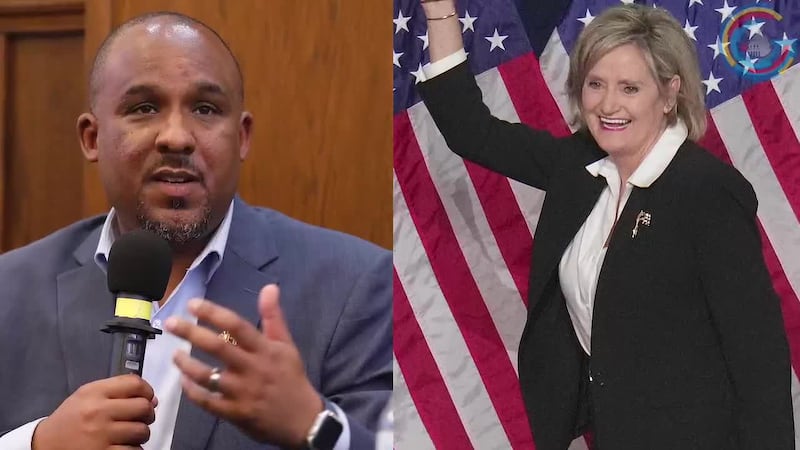
Sam Spiegelman of Spiegelman Law Group said North Dakota law “clearly says that just compensation includes the legal costs for an owner to vindicate their property rights.”
The 8th Circuit Court of Appeals said that law should not apply when the federal government is on the other side of the lawsuit.
Bob McNamara from the Institute of Justice said North Dakota has broad laws that protect victims of eminent domain and private natural gas pipelines. He said pipeline companies “say they don’t have to follow those laws because they’re just like the federal government.”
The outcome is likely to have consequences beyond North Dakota.
Spiegelman said landowners around the country whose property is seized by the government, or by private companies licensed by the government, “will not have any good incentive to pursue the vindication of the full value of their land” in court.
“What’s at stake here are property rights protections. And really all 50 states that are under threat from private pipeline companies operating with the federal government’s authority” McNamara said.
During oral arguments Monday, the Natural Gas Act is likely to be discussed. The act suggests federal standards should apply to disputes like this one.
Copyright 2026 Gray DC. All rights reserved.